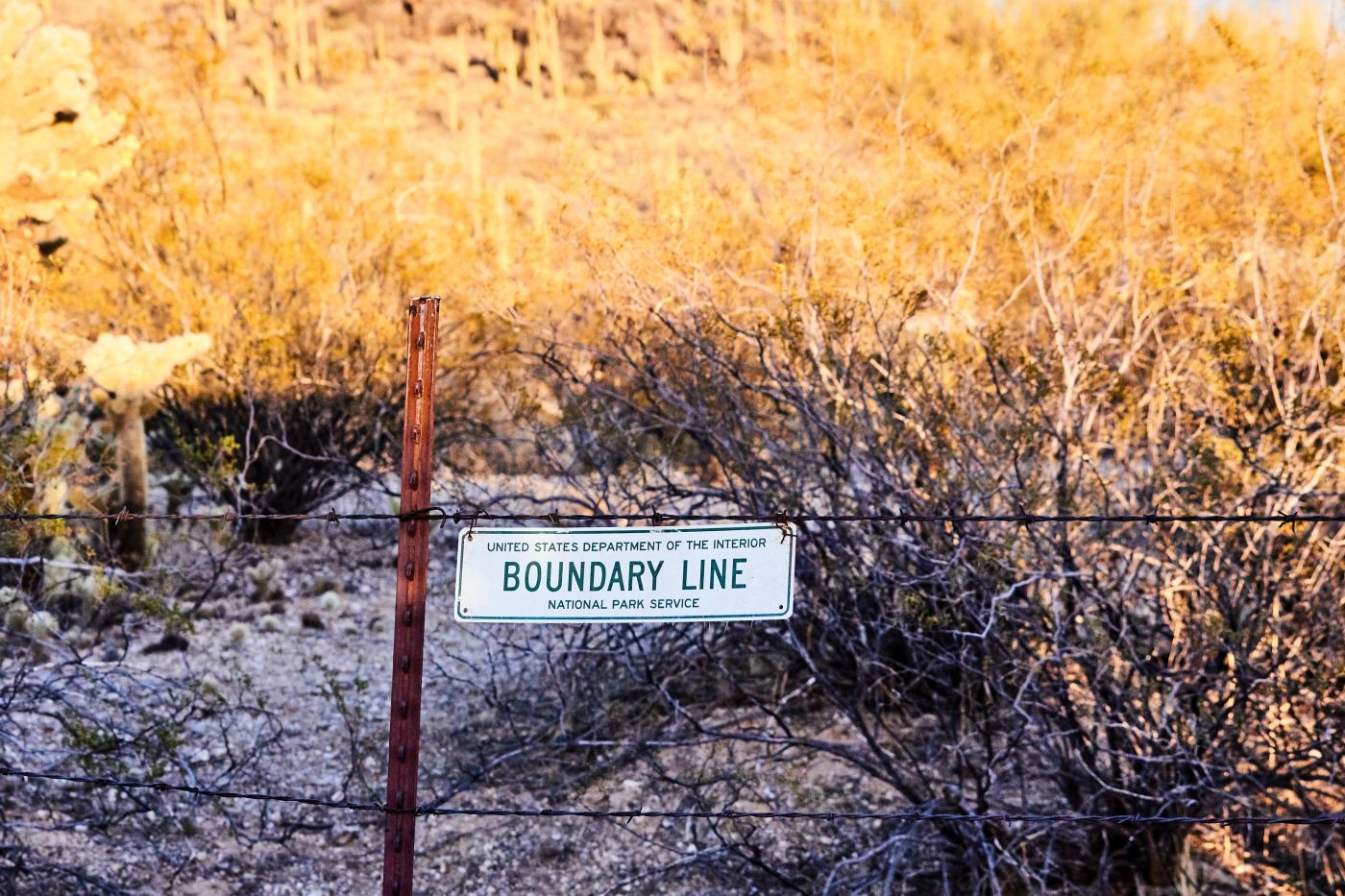
Part of parenting is giving appropriate boundaries. Of course, “appropriate” is age-dependent. This is why we have baby gates to barrier crawlers from stairways, and locked medicine cabinets to keep out wandering toddlers. As children grow and mature, boundaries widen and options open. Elementary kids can travel the adjoining neighbors, middle schoolers frolic the neighborhood, and high schoolers are given freedom and ability to explore the county and beyond. Boundaries are instrumental for children’s health and well-being, but the same can be said of us as humans.
We are bounded creatures, limited by numerous confines, many of which we push back against, often to our own demise. What if boundaries were not something to be broken through, but something to be joyfully accepted? Now, don’t get me wrong, there are plenty of boundaries that need to be broken, but there are others that need to be gratefully received. Instead of asking how many hours of sleep can I get by with, what if we actually prioritized our sleep needs as a good gift to be received? The same could be said of where we live, the community we inhabit, the gender we are, and more…What if the things we are in proximity to actually change us and cause us to believe some boundaries should be broken which should simply be enjoyed?
In other words, the place you’re at, the moment you inhabit, the people and words and objects around you—these are all live wires jolting your soul.
Samuel D. James
The idea of boundaries and limitations is really a much longer post and discussion I’ve been dwelling on and hoping to process more in the future, but Samuel D. James wrote an article with an adjoining idea. “Proximity and Plausibility” conjures up some good questions concerning our closeness to ideas, behaviors, and beliefs and how that proximity actually changes our outlook. Admittedly, this could be a good thing, but there is also a dark side to it. This is what James explores in his article.
What do you think? Does proximity make things more plausible to us? If so, what is our responsibility to this reality? Is it something to push against or to avoid altogether? How does one discern when proximity – even with its dangers – is a worthy risk? I’d love to hear your thoughts and responses to Samuel’s article. And as always be in proximity to the Lord’s people on the Lord’s day.
Until Next Time…
Photo by Erin Larson on Unsplash
 Preacher on the Run...
Leave a comment